Living in “The Matrix”? Look No Further Than Your Local Grocery Store
Baudrillard suggests that grocery stores represent hyperreality, wherein consumerism masks societal control, challenging the notion of living in a digital simulation.
By Vanessa Barros Andrade · February 11, 2024


What prompted the ostensibly common thought “We are living in a simulation”? The 1999 film, ‘The Matrix’ was partly inspired by the book ‘Simulacra and Simulation’ by Jean Baudrillard. There is even a scene in the film where the character Neo stores his computer files in the book Simulacra & Simulation.
Baudrillard was a French sociologist and philosopher who famously explored the concept of hyperreality, where simulations and representations become more real than the actual world they imitate. While the idea of living in a computer simulation gained traction in contemporary discourse, Baudrillard’s perspective on the grocery store offers a closer meaning to “The Matrix” and the nature of modern society.
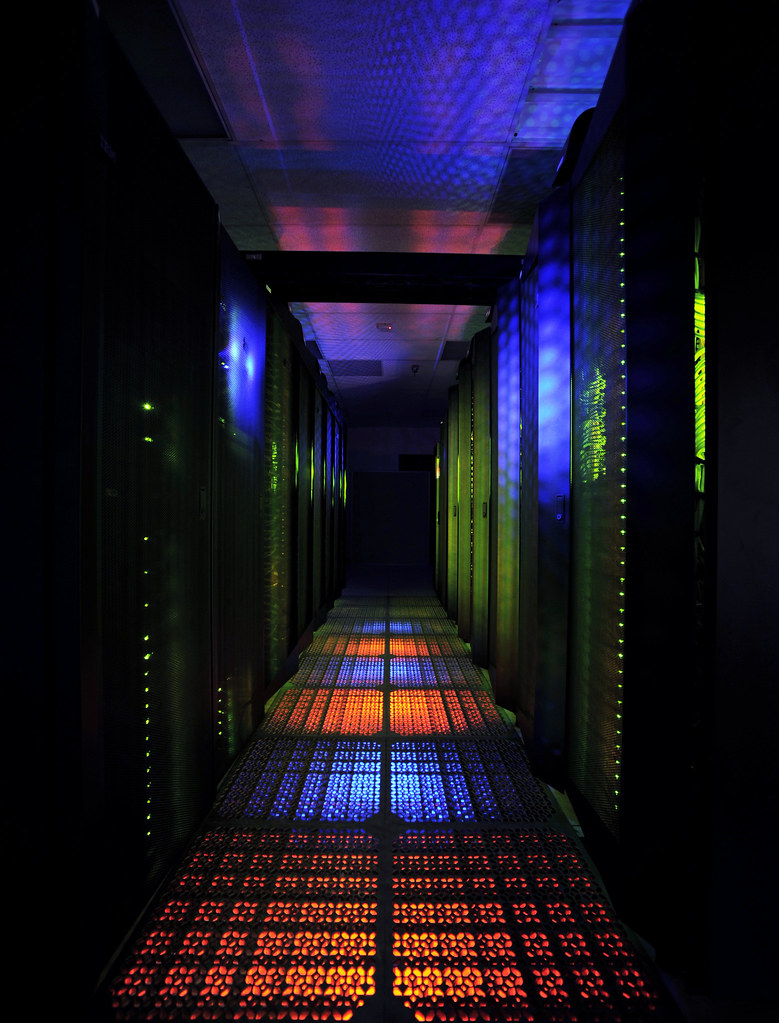
For Baudrillard, the grocery store symbolizes the epitome of hyperreality, where commodities and consumer culture dominate human experience. In his view, the aisles stocked with neatly arranged products represent a meticulously constructed facade, masking the underlying mechanisms that consist of human lives. The hours of work put into each product is created by hours of a person’s life and the packaged can of tomato sauce is all we can see at the end of this. The illusion of choice within the supermarket also perpetuates the myth of individual freedom while obscuring the larger systems of control at play.

Moreover, Baudrillard saw the grocery store as a microcosm of the larger social order, where consumption becomes a form of participation in the simulation of reality. By engaging in the act of shopping, individuals unwittingly reinforce the hyperreal facade, perpetuating a cycle of desire and consumption divorced from genuine human needs.

In this sense, Baudrillard’s conception of the grocery store as “The Matrix” transcends the interpretation of simulated realities confined to digital realms. Instead, he challenges us to interrogate the constructed nature of our everyday experiences, where simulations of reality proliferate and shape our perceptions of the world.

By situating the grocery store as a metaphorical matrix, Baudrillard invites us to critically examine the mechanisms of control and manipulation embedded within consumer culture. In doing so, he highlights the profound implications of living in a society where hyperreality blurs the boundaries between truth and illusion, leaving us perpetually ensnared in the simulacrum of modern life.