Man Rates Death Row Inmates’ Last Meals on Instagram
Josh Slavin, a 23-year-old finance professional, has gained social media fame by taste-testing and rating the final meals of infamous death row inmates. The Instagram series has sparked discussions on the ethics of such content of this rare aspect of history.
By Beth Snider · January 1, 2024
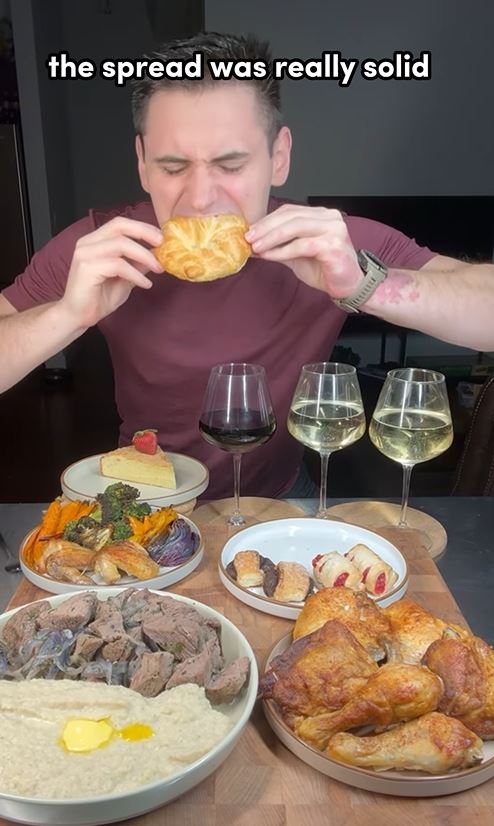
A recent college graduate from Virginia has captured the attention of true crime enthusiasts by taste-testing and rating the final meals of notorious death row inmates. Josh Slavin has embarked on a macabre culinary journey, recreating meals requested by criminals such as Richard Cooey, John Wayne Gacy, and Louis XVI. The Instagram series, initiated on September 1, has garnered both fascination and criticism sparking discussions on the ethics of such content.
His journey began with the final meal of Ricky Ray Rector, a convicted murderer who requested steak, fried chicken, cherry Kool-Aid, and pecan pie before his execution in 1992. Slavin admits there was no specific reason for choosing Rector but found the meal simple to recreate. This culinary exploration soon evolved into a series of final meal requests from various infamous inmates. His most recent review is Gerald Lee Mitchell, who had requested a very simple meal - a bag of Jolly Ranchers.
With meticulous research on each criminal, their crimes, and their chosen meals, he embarked on a gastronomic journey, creating, tasting, and rating each dish. From Ted Bundy’s diverse last meal to Timothy McVeigh’s peculiar choice of mint chocolate chip ice cream, Slavin provides a detailed analysis offering his opinions and culinary expertise.
Slavin objectively evaluates the taste, quantity, and quality of each meal using a tier-based rating system, ranging from ‘S’ for the best to ‘D’ for abysmal. His Instagram series has attracted over 578k views, many engaging by requesting specific meals.
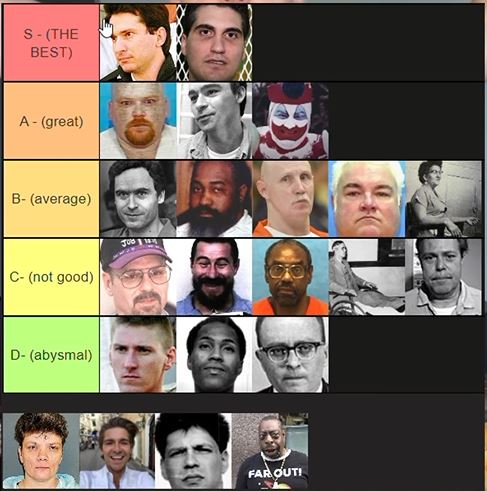
The interesting content has not been without its share of criticism, with some expressing discomfort about the project’s nature. Slavin acknowledges the topic’s sensitivity, emphasizing that not every historical story is positive but believes it should not be a reason to avoid sharing them.
He maintains a neutral stance in his content, excluding personal opinions unless discussing the food. He defends his project by highlighting the rarity of the circumstances where individuals facing death row can choose their last meal. He urges viewers to reflect on the thought-provoking nature of this reality in our history, challenging them to consider the deeper implications of such rare situations.